

The holidays are supposed to be about connection, gratitude, and joy. But for many of my patients, they are about anxiety.
There is a specific kind of dread that sets in when you walk into a party and see a table brimming with pies, stuffing, and sugary cocktails. You tell yourself you’ll “be good” this year. You promise you’ll just have one plate.
But an hour later, you feel bloated, tired, and guilty.
I want to tell you something that most doctors won’t: This is not a failure of willpower. It is a function of biology.
The “Food Noise” Factor
One of the most profound things I hear from patients who start GLP-1 agonist therapy (like Semaglutide) is this: “The noise stopped.”
“Food Noise” is that constant mental chatter—the obsessive thought about the next cookie, the layout of the buffet, or whether you should go back for seconds.
During the holidays, high-sugar and highly processed foods are designed to trigger this noise. They spike your dopamine and insulin, creating a biological feedback loop that screams “Eat more!” even when you are physically full.
Fighting this biology with willpower alone is like trying to hold a beach ball underwater. Eventually, your arms get tired.
The Insulin Rollercoaster
When you indulge in that heavy holiday meal, your blood sugar spikes. Your body floods your system with insulin to manage it. Shortly after, your blood sugar crashes, leaving you tired (the “food coma”) and, ironically, craving more sugar to get your energy back up.
This is the cycle we want to break.
3 Rules for Metabolic Protection (Whether you are on GLP-1s or not)
Whether you are currently managing your weight with medication or doing it naturally, these three rules will help you navigate December without the crash.
1. Prioritize Protein First Before you touch the stuffing or the pie, eat the turkey. Protein triggers satiety hormones (PYY and GLP-1) naturally. It signals to your brain that you are being fed, which can lower the volume of the “food noise” before you get to the carbs.
2. Change the Order of Eating Eat your vegetables and fiber first, protein and fats second, and starches/sugars last. This simple sequencing can significantly reduce the post-meal glucose spike, keeping your energy stable.
3. The 10-Minute Walk Do not head straight for the couch. A simple 10-minute walk after a large meal helps your muscles soak up the excess glucose in your bloodstream, preventing it from being stored as fat.
A Medical Solution for a Biological Problem
If you feel like you are constantly fighting your own physiology—if the “food noise” is deafening or the weight keeps creeping up despite your best efforts—it might be time to look at the data.
Medical weight loss isn’t about starving yourself; it’s about correcting the metabolic signals so your body works with you, not against you.
Ready to build a plan for 2026? Don’t wait for the New Year to start thinking about your metabolic health. Book a Discovery Call today and let’s discuss if a personalized weight loss plan is right for you.
Get Personalized Answers
Struggling with fatigue, weight gain, or low drive? Choose the right evidence-based assessment for you to get personalized insights in under 2 minutes.
Start with a Blood Test
Take out the guesswork. Book your $154 Vitality Screening, which includes a full lab order and a 20-minute results review with Dr. Morse.

Work With Dr. Morse
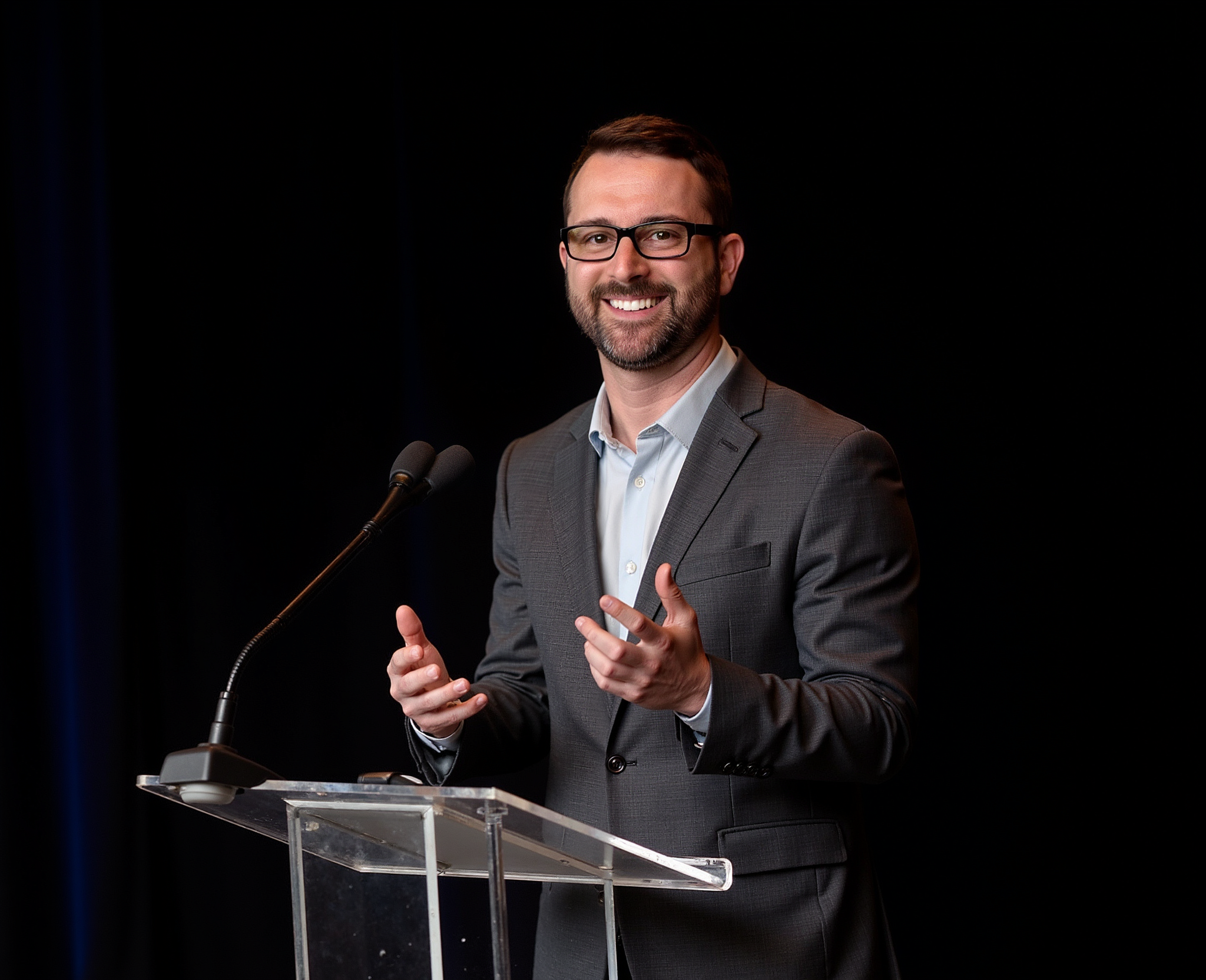
All patients work directly with Dr. Michael Morse, a licensed Naturopathic Physician and expert in hormone health.
Follow Us